What Skin Type Am I?


A group of women with varying skin tones hugs each other

Skin Type 101:

Identify your skin type and how to take care of it.

If you’re like a lot of skin care users, you’ve probably wondered: “What skin type do I have, and why does it matter?” So we asked Geetha Kalahasti, Associate Principal Scientist, to give you the science-based scoop on what skin types are, how to find yours, and the best way to care for your skin whether your skin type is dry, oily, or combination.


Looking for more general information on why skin care is important? Check out our article on skin care routines for the basics.

How to can I find my skin type?

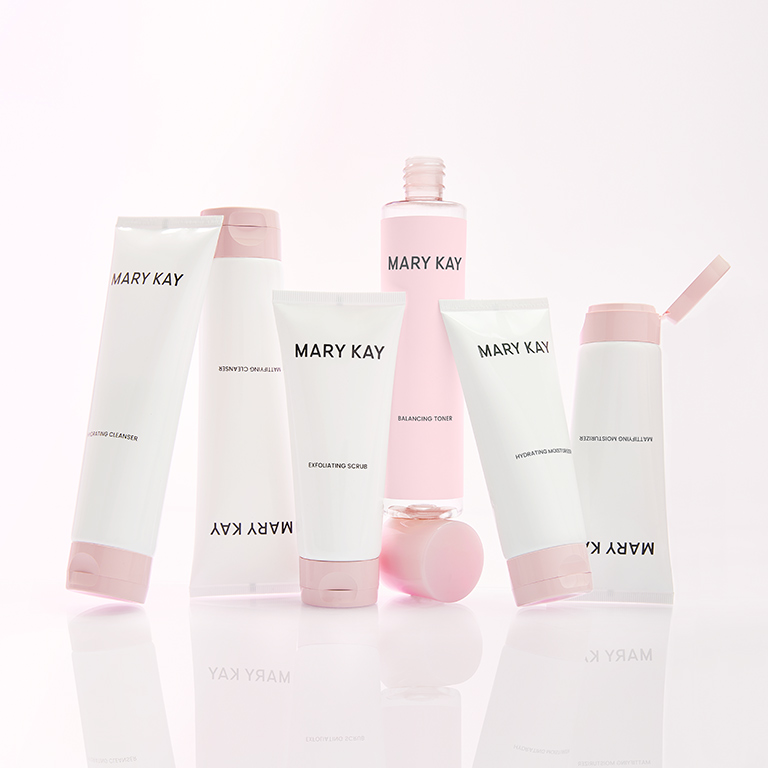
Tubes of cleansing, toner, exfoliating, and moisturizing products from Mary Kay Skin Care are stacked on top of each other.

You can find your skin type by observing how your skin feels a few minutes after cleansing (if you don’t apply any skin care products), examining your pores, and paying attention to how oily your skin looks or feels throughout the day. Also take note of any specific skin concerns you may have, such as acne, sensitivity, or redness. These can also provide clues about your skin type.


Normal skin

  • After cleansing: Skin feels comfortable and balanced.
  • Pores: Pores are barely visible and your skin appears smooth.
  • Oiliness: Skin remains relatively dry and doesn't become excessively oily.

Dry skin

  • After cleansing: Skin feels tight, dry, and uncomfortable.
  • Oiliness: Skin remains relatively dry and doesn't become excessively oily.
  • Skin concerns: Skin may be more sensitive or prone to flakiness.

Oily skin

  • After cleansing: Skin feels oily or greasy, especially in the T-zone (forehead, nose, and chin).
  • Pores: Pores look larger and more noticeable, especially in the T-zone.
  • Oiliness: Skin becomes increasingly shiny and greasy as the day goes on.
  • Skin concern: Skin may be acne-prone.

Combination skin

  • After cleansing: Skin feels comfortable and balanced.
  • Pores: Pores primarily look larger in the T-zone but smaller on the cheeks.
  • Oiliness: Skin starts off feeling balanced but becomes oily in the T-zone later in the day.

The methods above are general guidelines. Everyone's skin is unique, and it's important to listen to your skin's specific needs. If you're unsure about your skin type, it may be helpful to consult with a dermatologist or a skin care professional for a more accurate assessment.


Regardless of your skin type, there are a few must-haves that everyone should include in their skin care routine:


  • Use sun protection: All skin types are prone to sun damage. Apply a broad-spectrum sunscreen with a minimum SPF of 30 to protect your skin from harmful UV rays. Reapply sunscreen every few hours, especially when you're in direct sunlight.
  • Exfoliate regularly: Exfoliation helps remove dead skin cells and promotes cell turnover, giving the skin a fresh and radiant appearance. It is recommended to use either a physical or chemical exfoliating products 2 or 3 times a week. 

Let’s start with normal skin: What is it, and what does it need in terms of skin care?

A female model wearing natural makeup looks into the camera.

Normal (or eudermic) skin is characterized by a balanced production of sebum. So it’s neither too dry nor too oily. Normal skin typically has a smooth texture, small pores, and a healthy complexion, but people with this skin type still need to care for their skin.


Here are some specific things to look for in a skin care routine:


  • Cleanse gently: Like all skin types, normal skin requires regular cleansing to remove impurities and maintain its balanced state. Use a gentle cleanser that doesn't strip away natural oils or disrupt the skin's pH balance.
  • Don’t skip moisturizer: Even though normal skin is well-balanced, moisturization helps keep the skin hydrated and maintain its natural elasticity. Choose a moisturizer that suits your skin's needs, whether it's a lightweight lotion or a richer cream.
  • Avoid harsh or irritating products: While normal skin is less sensitive compared to other skin types, it's still important to watch out for ingredients that may cause redness, irritation, or allergic reactions. Always patch test new products on your jawline or neck before incorporating them into your routine.

In addition to these tips, people with normal skin (and all skin types) should prioritize removing eye makeup and any other makeup every night to go to bed with a clean canvas.

What is dry skin, and how should it be cared for?

A female model wearing natural makeup looks into the camera.

Dry skin (also known as xerosis) is a skin type characterized by a lack of moisture and natural oils, leading to a dry, tight, and sometimes flaky or rough texture. It may feel uncomfortable and sensitive, especially after cleansing or exposure to harsh weather conditions. Some common causes of dry skin include genetics, environmental factors, excessive bathing, harsh soaps, and certain medical conditions.


People with dry skin usually need to choose products and make lifestyle choices that help restore and maintain moisture levels.


  • Stay hydrated: Dry skin requires adequate hydration to replenish moisture. Drink plenty of water throughout the day to hydrate your body from within.
  • Cleanse gently: Avoid using harsh soaps or cleansers that can strip away natural oils and further dry out the skin. Opt for mild cleansers that are specifically formulated for dry or sensitive skin, and avoid using hot water, which can further dry out the skin. Always use lukewarm water while bathing or washing your face.
  • Choose hydrating moisturizers: Use a rich, emollient moisturizer that contains hydrating ingredients like hyaluronic acid, glycerin, ceramides, or shea butter. For extra moisturization, you can add the hydrating booster to your routine. Apply moisturizer immediately after cleansing to lock in moisture.
  • Use a humidifier: Dry indoor air can exacerbate dry skin. Add moisture to the air with a humidifier, especially during the winter months or in dry climates.
  • Avoid irritants: Certain products or ingredients can irritate dry skin. Steer clear of alcohol-based products, harsh toners, and fragrances that may cause further dryness or sensitivity.

Are dry skin and dehydrated skin the same thing?

Dry skin and dehydrated skin are similar in that they both lack moisture, and you can experience both at the same time, but there are some differences between the two. Dry skin is a skin type that tends to have a lack of natural oils, which can be genetic or caused by external factors like weather conditions or harsh skin care products.


On the other hand, dehydrated skin is a temporary condition caused by a lack of water in the skin. It can be caused by factors like excessive sun exposure, air conditioning, hot baths, or certain medications. It also feels tight, dull, and may show signs of sensitivity. It can occur even in people with oily skin types. And while dry skin typically produces less oil than normal or oily skin, dehydrated skin can still produce oil — it just lacks water content.

What about oily skin? What are its specific needs?

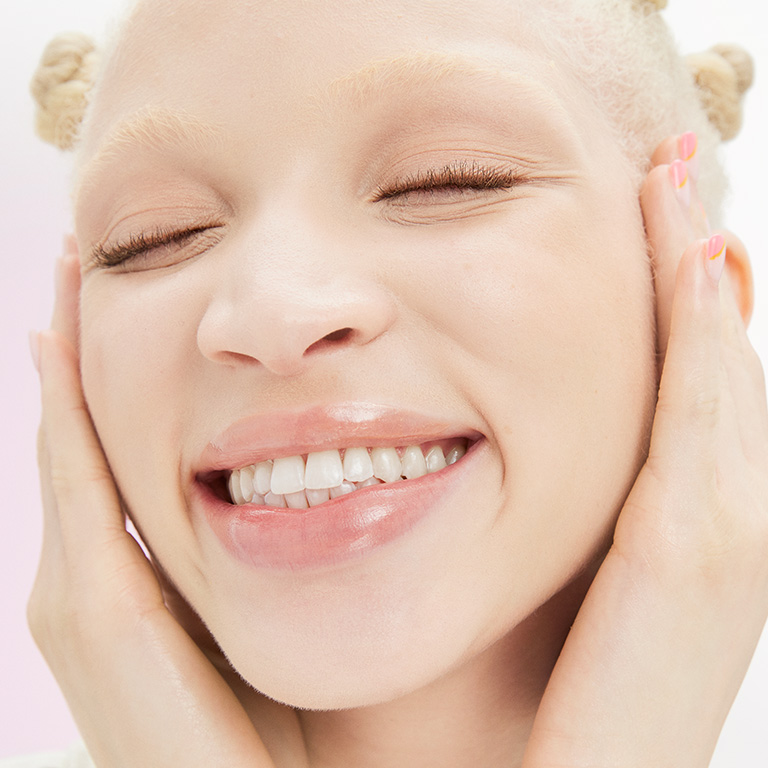
A female model with fair skin and blonde hair wears natural makeup and smiles with closed eyes, hands on her cheeks.

Oily skin is a skin type that’s characterized by the overproduction of sebum, the skin's natural oil. This excess oil production can result in a shiny or greasy appearance and enlarged pores. People with this skin type are also more prone to acne breakouts. Oily skin is often influenced by factors like genetics, hormonal changes, and environmental conditions.


Here are some specific skin care routine best practices for oily skin:


  • Cleanse twice daily: Choose non-comedogenic cleansers specifically formulated for oily skin. Cleanse your face morning and night to remove excess oil and impurities.
  • Use oil-free or lightweight moisturizers: Although oily skin produces enough oil, it still requires hydration. Look for oil-free or lightweight moisturizers that won't clog pores. Water-based moisturizers or gel formulas can provide adequate hydration without adding extra oil to the skin.
  • Try oil-absorbing products: Incorporate oil-absorbing products like primers or blotting papers into your skin care routine. These can help reduce shine and keep the skin matte throughout the day.
  • Avoid heavy or pore-clogging products: People with oily skin should steer clear of heavy, oil-based products, which can exacerbate oiliness and clog pores. Look for non-comedogenic, oil-free, and water-based products to prevent breakouts.
  • Cleanse makeup brushes and tools: Oily skin tends to accumulate more dirt, oil, and bacteria on makeup brushes and tools. Clean them regularly to avoid transferring these impurities back onto your skin.

Let’s talk about combination skin. How should people care for their skin if that’s their skin type?

A woman with dark hair and dark skin smiles and looks away from the camera.

Combination skin is characterized by having both oily and dry areas on the face. Typically, the T-zone (forehead, nose, and chin) tends to be oilier, while the cheeks and other areas may be normal or dry. Combination skin requires a skin care routine that addresses both oily and dry areas.


Here are some specific needs of combination skin:


  • Cleanse gently: Use a gentle cleanser that effectively removes excess oil and impurities without stripping the skin's natural moisture. Look for a cleanser that is formulated for combination or oily skin. Avoid harsh cleansers that can further dry out the already dry areas of the skin.
  • Hydrate wisely: While oily areas of combination skin produce excess sebum, the dry areas require hydration. Use an oil-free moisturizer on the oily T-zone to prevent excessive oiliness. For the drier areas, opt for a richer moisturizer to provide adequate hydration.
  • Add targeted treatments: Combination skin may have specific concerns like acne or blackheads in the oily areas, and dry patches or sensitivity in the drier areas. Incorporate targeted treatments like acne-fighting treatments for the oily areas, and hydrating boosters for the drier areas. To keep your skin balanced, consider adding a toner to your skin care routine.
  • Control oil: To manage excess oil in the T-zone, consider using oil-absorbing sheets or blotting papers throughout the day. These can help remove excess shine without stripping away moisture from the drier areas.
  • Use the right makeup: Choose makeup products that are suitable for combination skin, such as mattifying foundations and powders. Avoid heavy, oil-based products that can clog pores and exacerbate oiliness.

Understanding your skin's needs and adjusting your skin care routine accordingly is key to maintaining a balanced complexion. It may take some trial and error to find the right combination of products that work best for your specific skin concerns, so having an independent beauty consultant can be especially helpful if you have combination skin.

Myth vs Fact

What are some common myths that people believe about skin types?


MYTH

Oily skin doesn't need moisturizer.


FACT

All skin types, including oily skin, require moisturization. While oily skin produces more sebum, it still needs hydration to maintain a healthy moisture barrier. Using lightweight, oil-free moisturizers can help balance oil production and keep the skin hydrated.


MYTH

Acne-prone skin is always associated with oily skin.

FACT

Acne can occur in any skin type, including dry and sensitive skin. While oily skin is more prone to acne due to excess sebum production, other factors such as hormonal changes, genetics, and clogged pores can contribute to acne in different skin types.


MYTH

Combination skin means having both dry and oily areas on the face.

FACT

Combination skin refers to having different skin types in different areas of the face. It doesn't necessarily mean having dry and oily patches. For example, someone with combination skin may have an oily T-zone but normal or dry cheeks.

How common is it for someone’s skin type to change? Mine seemed to go from oily to dry when I had my first child.

The moisturizing and mattifying Mary Kay skincare sets are placed side by side on a mirrored surface and a white background.

It is possible for someone's skin type to change over time due to factors like hormonal changes, aging, environmental influences, and changing skin care routines. However, it is not very common for a person's skin type to change drastically.


Here are some signs that your skin type may have changed:

  • Changes in oiliness: Your skin used to be oily but now feels dry or vice versa.
  • Increased sensitivity: Your skin becomes more reactive and sensitive to products or environmental factors that didn't bother it before.
  • Changes in texture: Your skin becomes rough, flaky, or has a different texture than usual.
  • Breakouts or acne: You start experiencing more breakouts or acne than usual.
  • Changes in hydration: Your skin feels constantly dehydrated, tight, or lacks moisture.

Your skin type BFF

Remember, everyone's skin is unique, so it's essential to find the right skin care routine and products that work best for your skin’s specific needs. No matter what your skin type is, your Mary Kay independent beauty consultant is perfectly poised to help you meet your skin goals with time-saving try-before-you-buy service. Just send her a text or give her a ring to discover healthy skin your way today.

Ingredient Glossary

Skin Care 101

Build Your Own Beauty Routine